
Tuesday 24 September 2019
Gordon Cowan
Alexander Murray – from Shepherd’s son to Linguistic Expert
Alexander Murray was a local shepherd’s son, who had poor health and very little education. He rose from a lowly background to become Professor of Hebrew and Semitic languages at Edinburgh University.
Past Events
In search of the Wigtown Martyrs
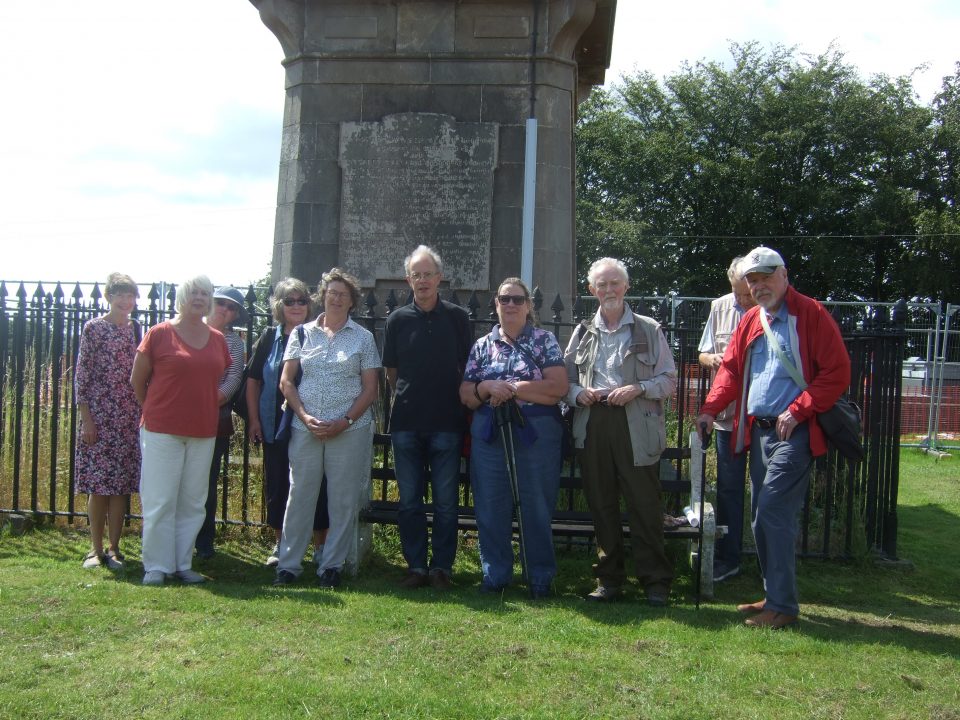
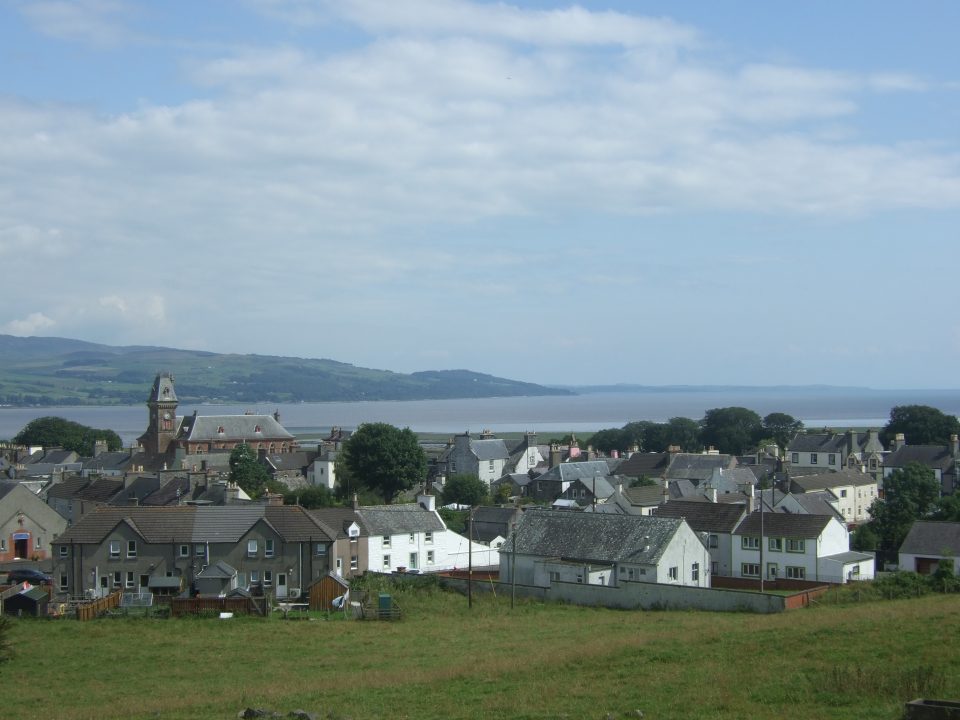
Our Local History Group enjoyed a tour of Wigtown led by Andrew Wilson of Beltie Books who provided a fascinating history of the Covenanters and the Wigtown Martyrs.
Gardening Group 1 visit Logan Garden
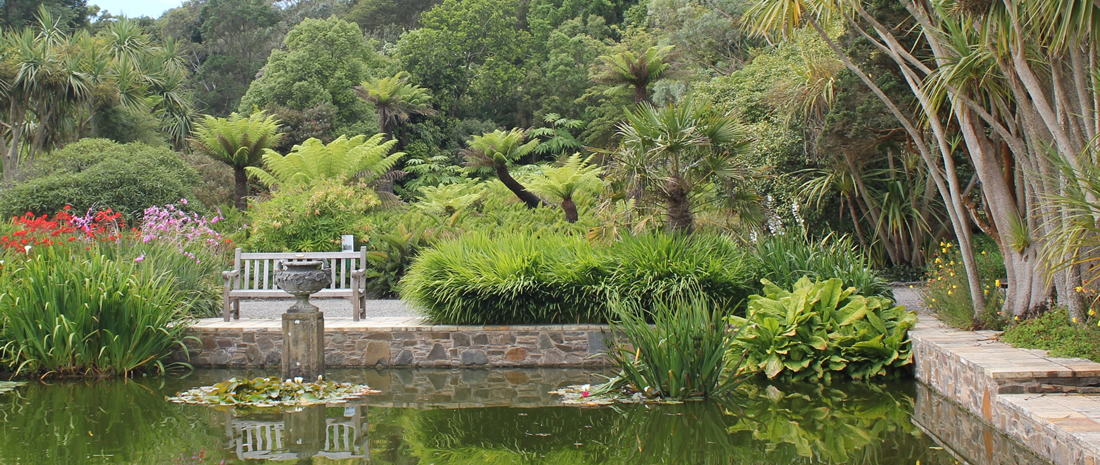
Members were greeted by a welcome notice for their July visit to these exotic Logan Botanic Gardens.

After a snack in the Potting Shed bistro the group met with Richard Baines, Curator, who accompanied members round the garden, explaining the themes of the different parts, how they had been developed and identifying many of the plants, shrubs and trees. The garden is on the same latitude as Moscow but is nevertheless able to grow tender plants due to the maritime influence.
 There are many rare and unusual plants in the garden collected from around the world especially from the Far East and Southern hemisphere. Richard himself goes on plant hunting expeditions and identified plants which had been collected in Vietnam.
After lunch the group visited the area of the garden with a range of mature eucalyptus trees and shrubs from Australia, Tasmania and New Zealand. The final point of interest was the recently planted area which had been dedicated the previous week in celebration of the 50 years from 1969 when RBGE took over the gardens including a plaque identifying the curators over the years.
Victorian Architecture Trip to Glasgow

Colin Milligan lead members of the Victorian Architecture Group together with some U3A members from the Stewartry and Dumfries U3A on a mini-bus trip to Glasgow.
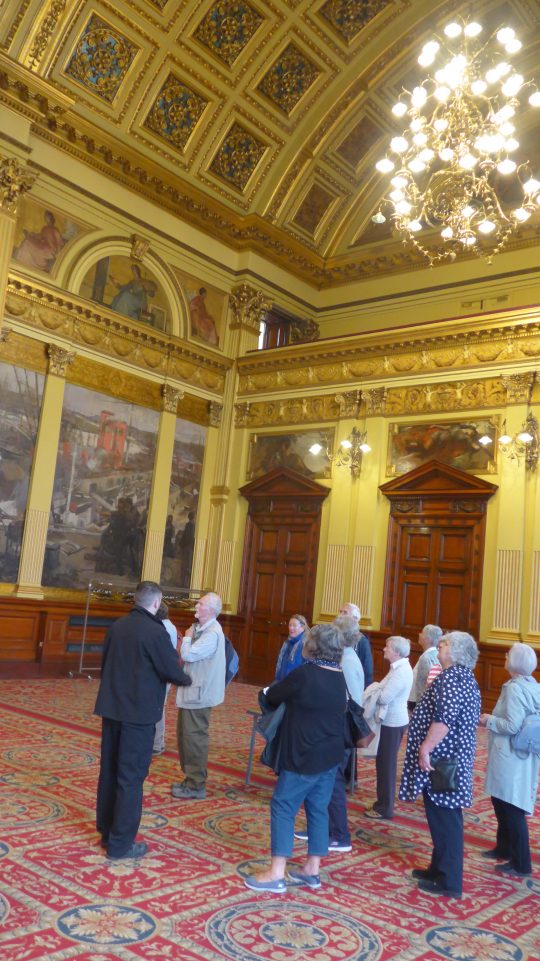
After a quick comfort break at Cairn Lodge (on the M74) we just made it in time for our guided tour of the City Chambers – a very impressive Victorian building designed by William Young of Paisley after he won a competition in 1882. The building was completed and inaugurated by Queen Victoria in 1888.
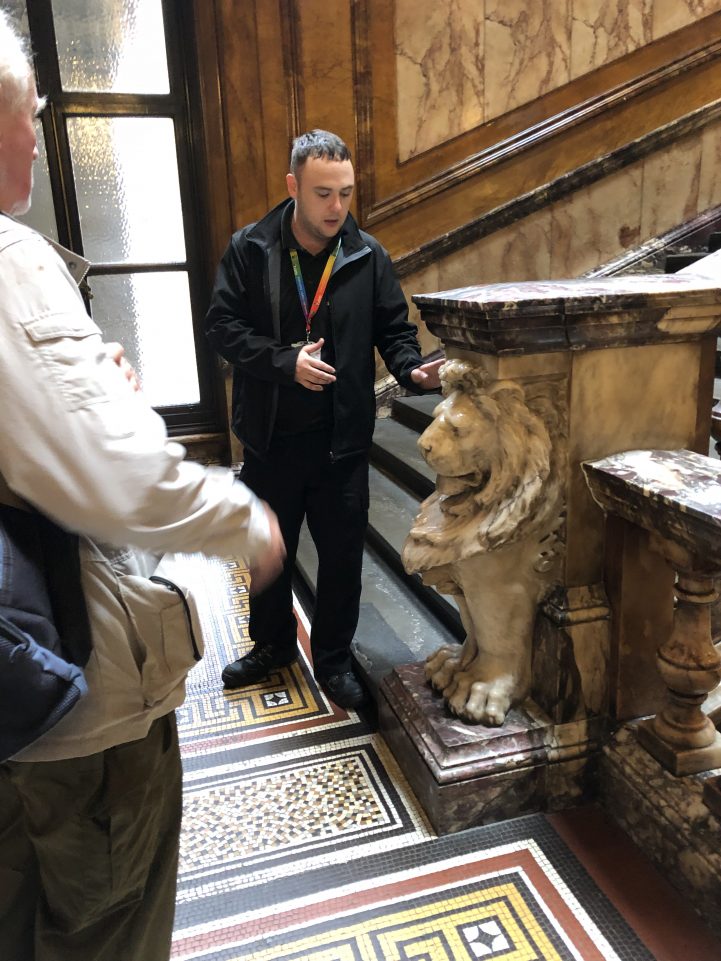
From its marble pillared entrance hall (with mosaics provided by Ludwig Oppenheimer, father of Charles) up the Carrara marble and alabaster staircase, looking up to the gold leaf ceiling and the stained glass dome, one can be lost in an earlier life of pomp and ceremony. Our guide amused us with stories of events and problems that have arisen over the life of the building and before we knew it we were back downstairs and off to lunch.

In the afternoon we had a fascinating walk around the Necropolis with one of the guides who is a volunteer and gives her time so that this unique graveyard and memorial to so many Glasgow greats can be maintained.50,000 burials have taken place at the Necropolis and most of 3,500 tombs have been constructed up to 14 feet deep, with stonewalls and brick partitions.
On the top of the Necropolis tombs were blasted out of the rockface. In 1877 the Molendinar Burn, running under the Bridge of Sighs, was culverted. This burn in which St Mungo was said to have fished for salmon is now underground on its way to the Clyde. There is so much of interest at the Necropolis that I am sure you could spend several days there reading the tombstones.
My favourite headstone is the one designed by Charles Rennie Mackintosh at an early stage in his career. (see photo).
Thanks to the very smooth and safe driving of Stephen we were back in Kirkcudbright by 7.30 p.m. after a very busy day.
Local History group trip to Black Loch of Myrton
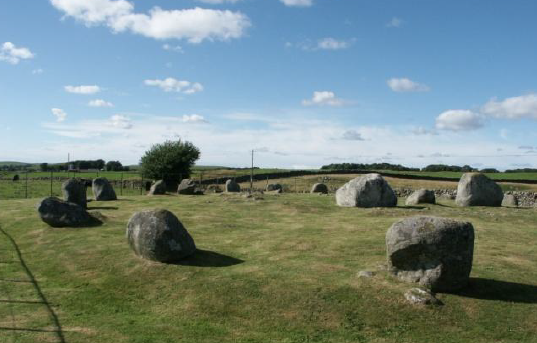
Six members took the opportunity to visit this important excavation site (now in its 6th year) after a brief visit to Torhouskie Stone Circle (picture below) and Drumtrodden Cup and Ringed rock panels. After a lunch break at the Whithorn Trust Visitor Centre café, they proceeded in convoy with a Whithorn Trust member and three other visitors to the dig site parking area.
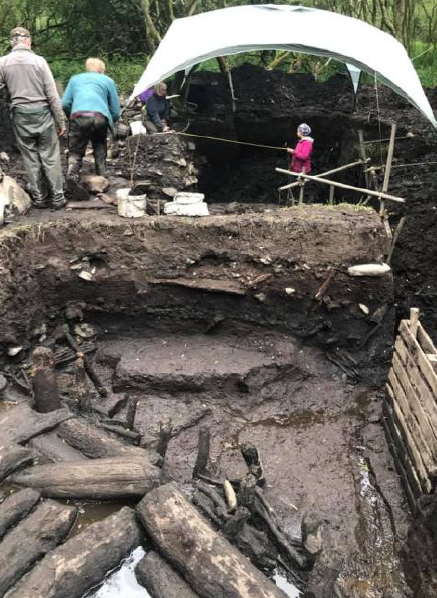
Having negotiated a challenging and muddy boarded track-way to the site they were welcomed by Dr Anne Crone, AOC Archaeology leader and Jenny Roberts, a fellow U3A group member and longstanding excavation team volunteer.
In recent seasons, it has become increasingly clear that this 2,500 year old site reveals that its inhabitants practiced wood turning, iron smelting and weaving, probably on a seasonal site basis. This season has also revealed a very substantial causeway leading to the heart of the settlement. We were shown a selection of recent finds, including worked wooden items, stone tools and a cow’s skull, from a site which has proved to be largely clean of occupation detritus.
Updates for upcoming events
See updated information on our events page
Victorian Architecture Group
April 2019 Meeting
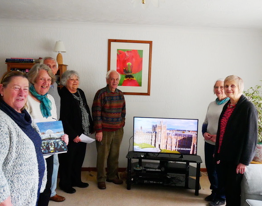

Members of Victorian Architecture Group were treated to an enthusiastic talk about the treasures of Victorian architecture in Belfast and Anne Levi’s experiences of living and working in that beautiful but troubled city. We were introduced to the wonderful Palm House and to Queen’s College (later Queen’s University). Charles Lanyon designed both these buildings between 1839 and 1849. Anne also showed some wonderful photographs of Belfast in the Victorian era and whetted our appetite for a trip to Belfast (not planned by the Group at the moment) by telling us about the most famous pub in Belfast – the Crown Bar in Great Victoria Street. It is worth a Google for the stained glass alone. We also learned about the importance of linen to Belfast.
Stewartry U3A Local History Trip to Dalbeattie Museum and Buittle Castle
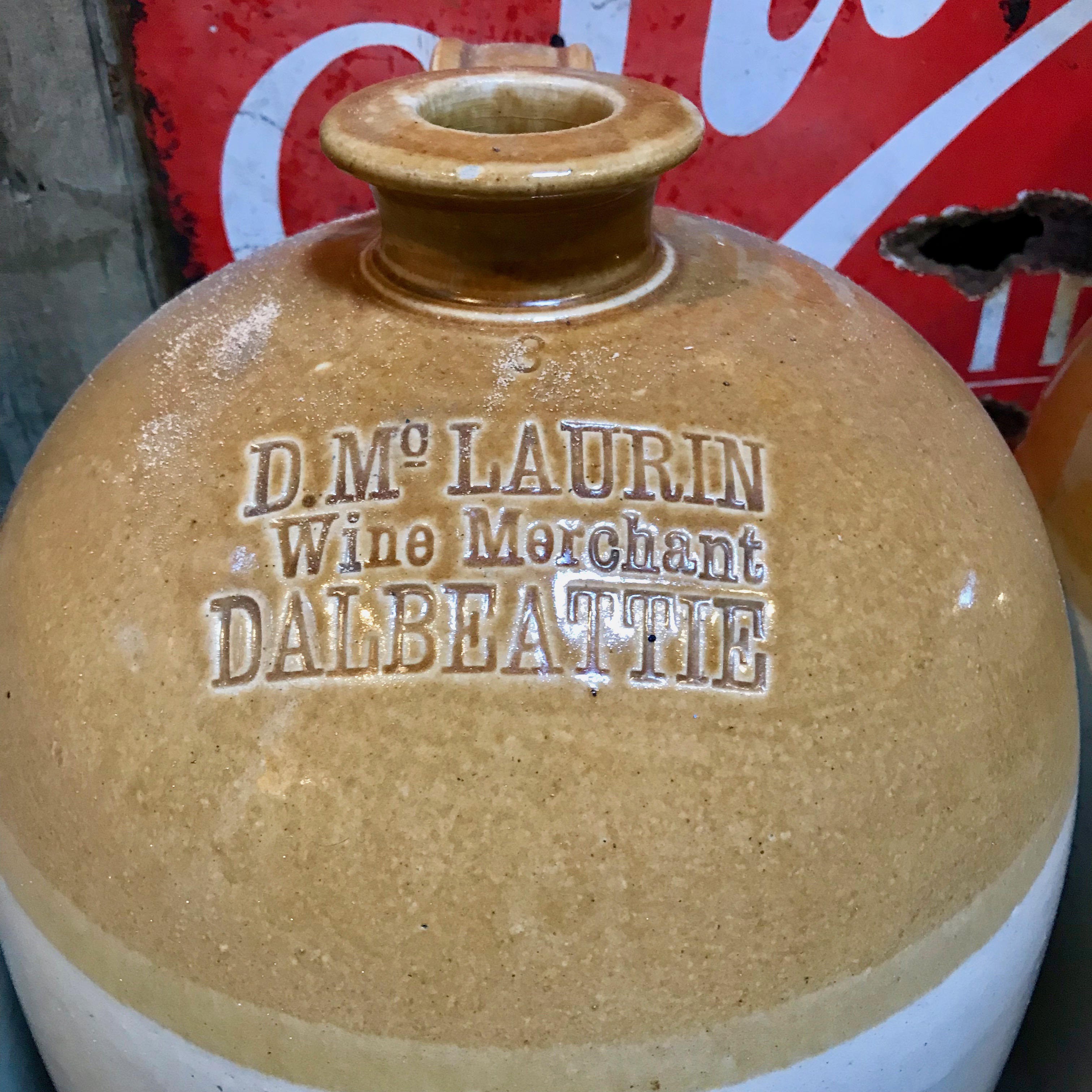

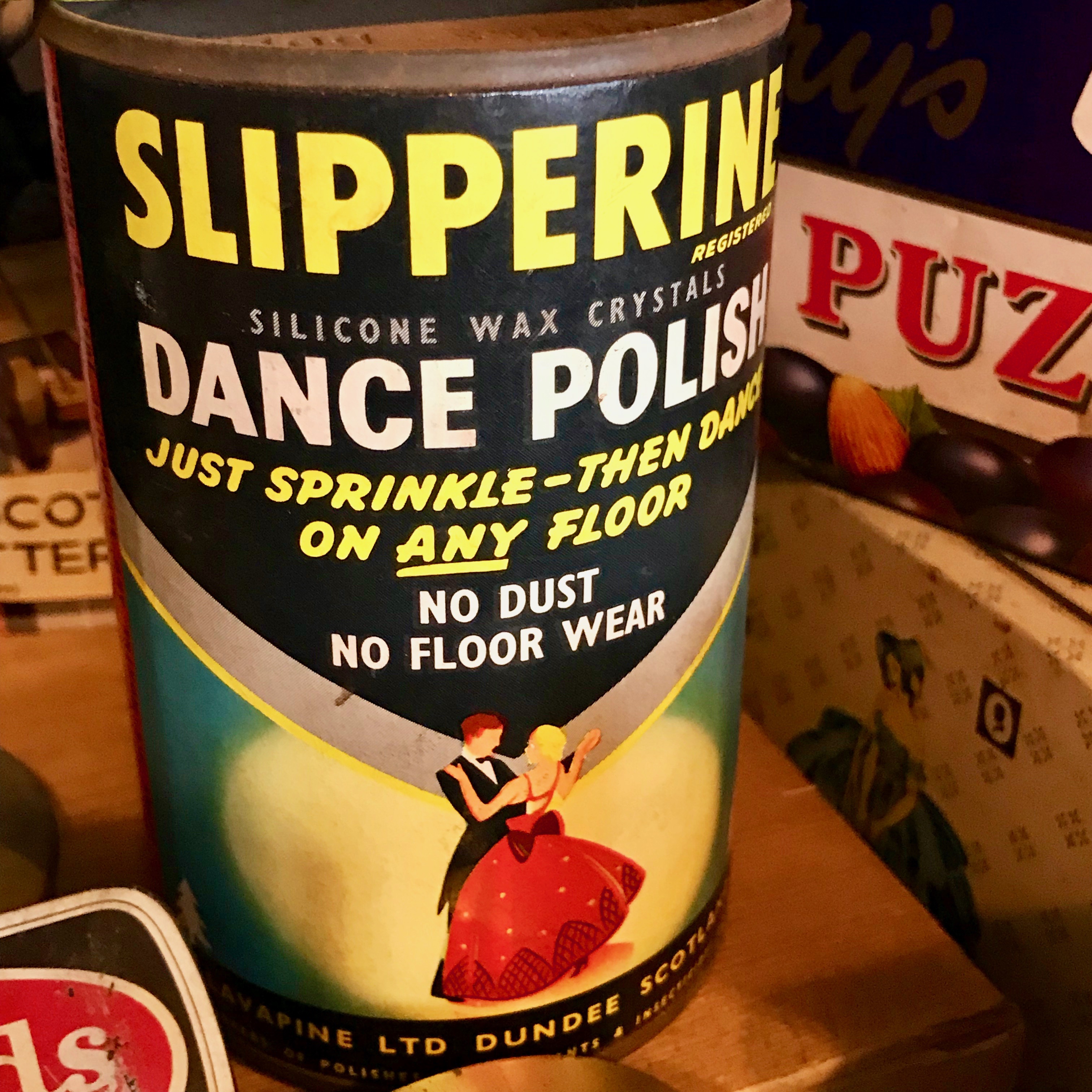
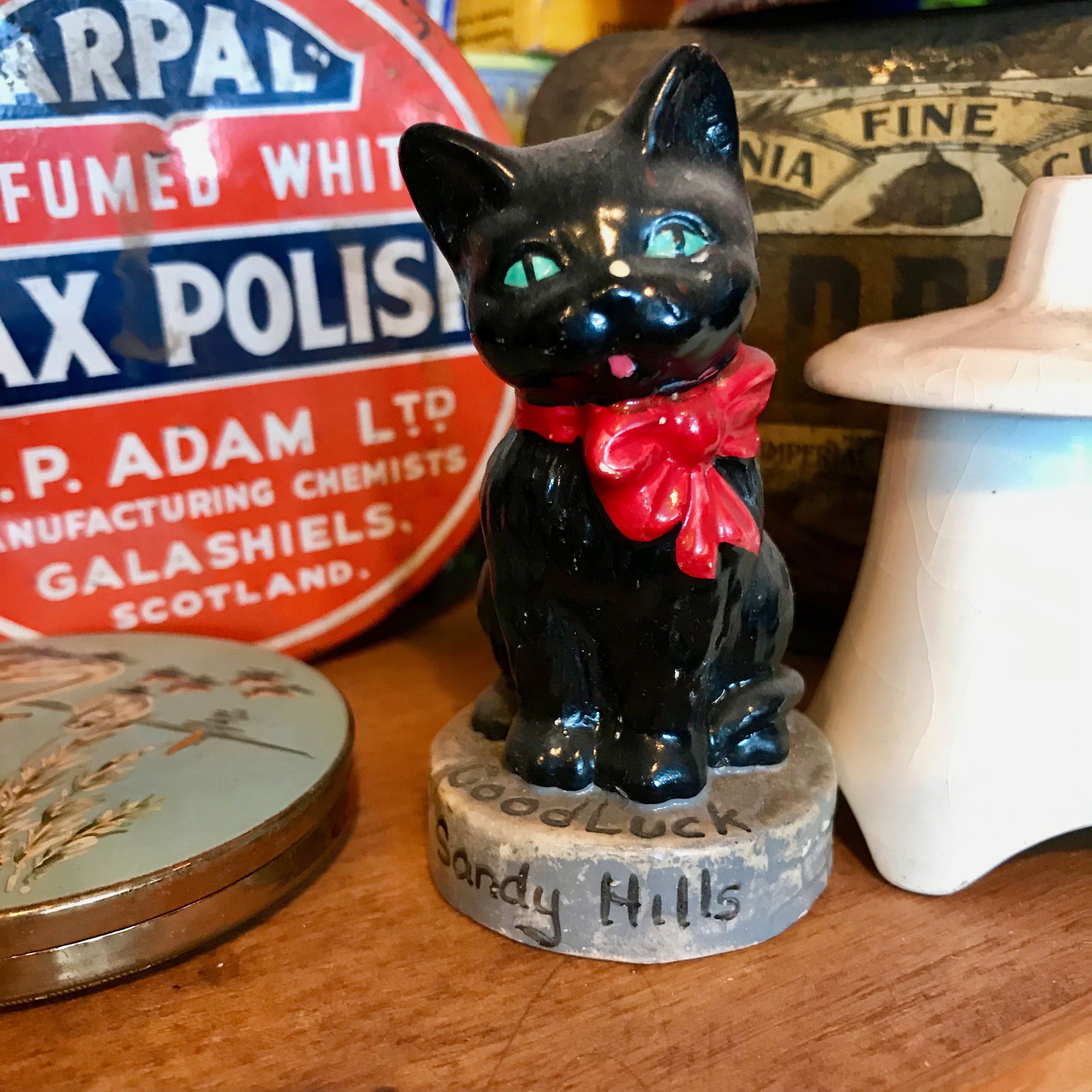


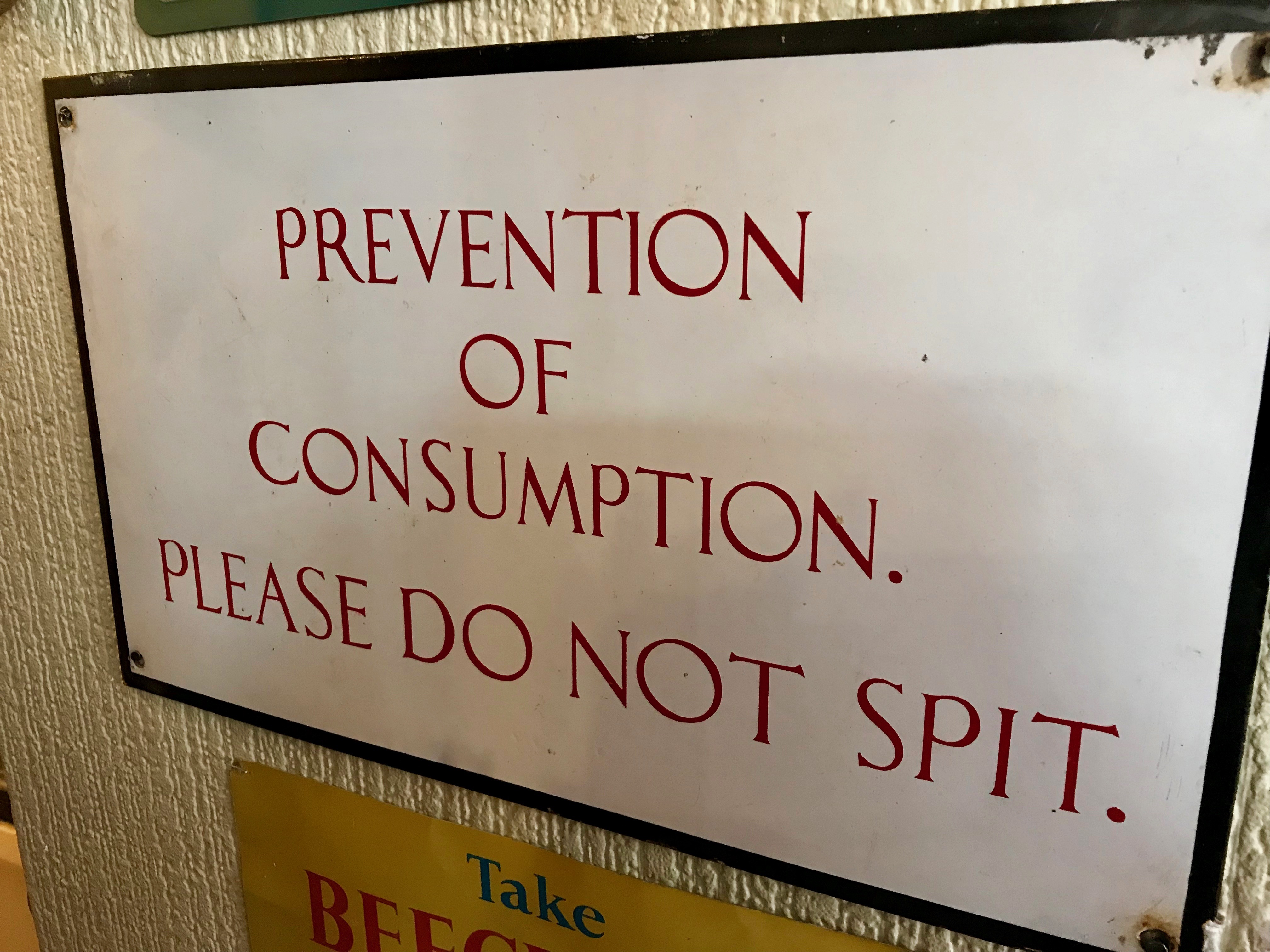
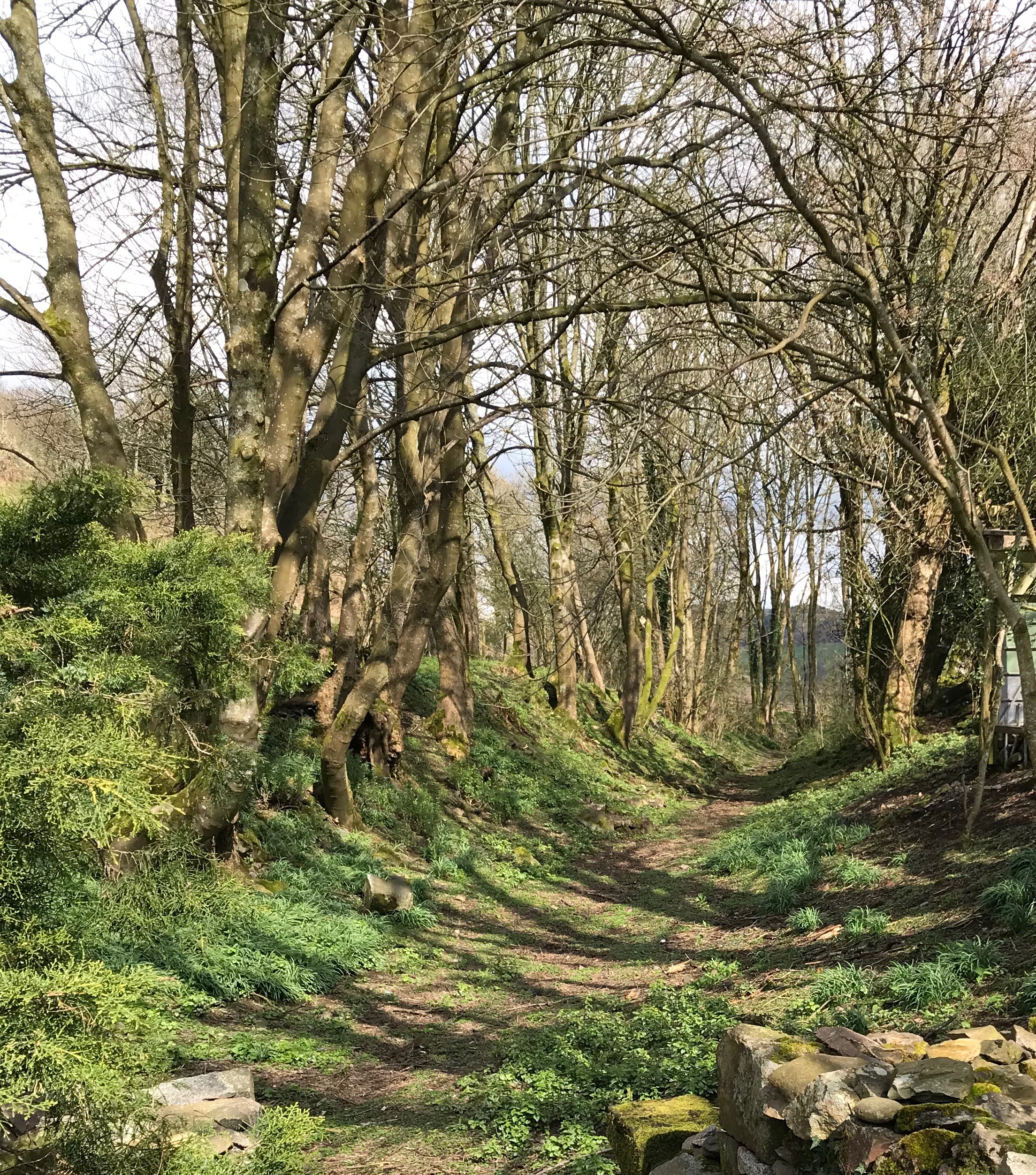

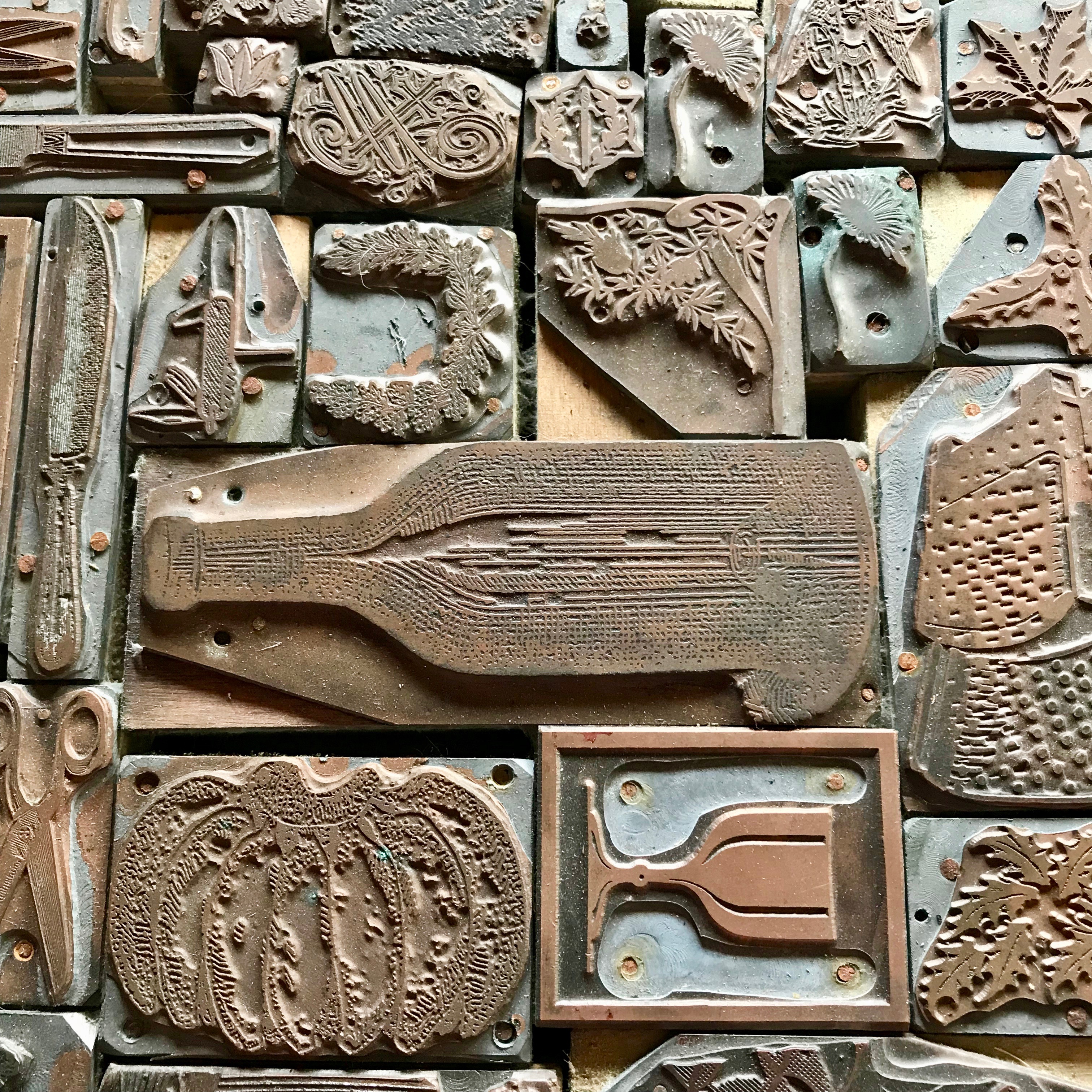
Two castles, two chapels, Queen Mary’s bed chamber, letterpress printing studio and a lovely scone and tea – and that was only the afternoon of the Local History group’s day around Dalbeattie.
First we gathered at Dalbeattie Museum to peruse the fascinating collection of items donated by local people. The artefacts range from Dinky cars to a hundred year old washing machine (still in working order), and displays include the Edingham explosives factory, the Dalbeattie-made Skeoch motor car and the granite industry. One member remarked “The museum was crammed with things which brought back memories – sign of age-and the volunteers were so enthusiastic.”
After lunch we enjoyed a guided tour of Buittle Castle (the stone castle has the motte of the earlier motte and bailey in its grounds), and all the above mentioned features. The castle, as the seat of the Balliol dynasty, was highly significant in the medieval period and beyond. Queen Mary spent her penultimate night in Scotland here safe with the recusant Maxwell family.
James Cavendish, the 32nd laird, gave the tour of the house and site which he and his cousin are renovating concurrent with running the Buittle Craft Guild involving craft fayres, letter-press printing and bookbinding, offering bed and breakfast and are priests to a small congregation of the western rite orthodox church. The latest chapter in the history of a remarkable castle and a dynasty!
Summer schools dates announced
National Summer Schools
Monday 12 to Thursday 15 August 2019
Aston University, Birmingham
Tuesday 10 to Friday 13 September 2019
Royal Agricultural University, Cirencester
Regional Summer School
An opportunity to learn in the inspiring setting of the Lake District
Tuesday 27 to Friday 30 August 2019
Newton Rigg Agricultural College, Penrith
Courses on offer will include:
Archaeology: Bards, Bede and Boneless Ivar
Art: Art Challenges
Art Appreciation: Twenty Great Artists from the North West and the Lake District
Geology: When Continents Collide
History: Mussolini and Hitler: a Comparison of Two Twentieth Century Dictatorships Music Appreciation: Around the World with Music
Philosophy: Brothers in Arms – The work of Henry and William James
Science: Homo sapiens – How did we get to where we are now?
Spectacular wildlife visit for Birdwatching Group 1


With hats, gloves and wearing many layers, members of Birdwatching 1 were well prepared for the biting wind when they visited Caerlaverock Wetland Centre to see the wintering swans, geese, ducks and waders.
Much of the birdwatching was from the well-equipped hides on the reserve which look out over the different ponds. Among the ducks sighted at the first pond were widgeon, teal, shoveller, mallard and tufted ducks as well as waders such as lapwings, curlews and also barnacle and other geese. Two hen harriers flew over adding to the species list for the day of almost 40.
The highlight of the visit was to see the swan feeding time from the comfort of the Sir Peter Scott Observatory. There were over 100 whooper swans which come south to the reserve each year from Iceland as well as mute swans and barnacle geese from Svalbard. There was much pecking, shoving and splashing as they were fed!
Unfortunately the starlings seem to have had moved on to Gretna so there was no murmuration but instead from the viewpoint of the tower members saw the swans taking off from one pond and flying over and landing on another.
This most enjoyable visited ended with a welcome hot drink in the centre café.