Local History group trip to Black Loch of Myrton

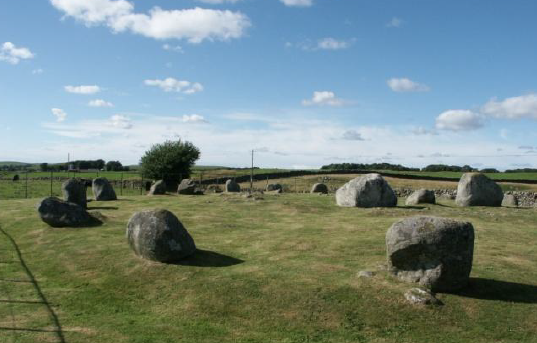
Torhouskie Stone Circle

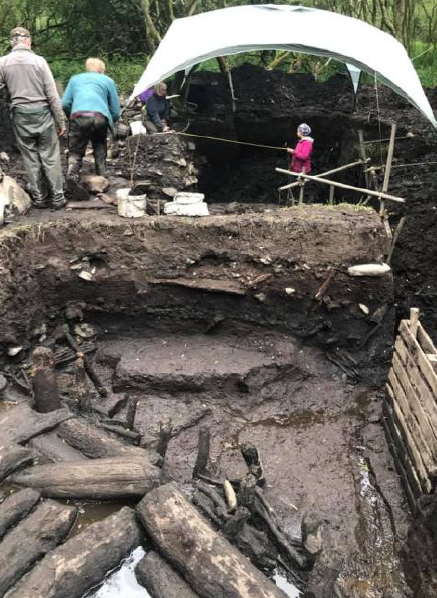
Six members took the opportunity to visit this important excavation site (now in its 6th year) after a brief visit to Torhouskie Stone Circle (picture below) and Drumtrodden Cup and Ringed rock panels. After a lunch break at the Whithorn Trust Visitor Centre café, they proceeded in convoy with a Whithorn Trust member and three other visitors to the dig site parking area.

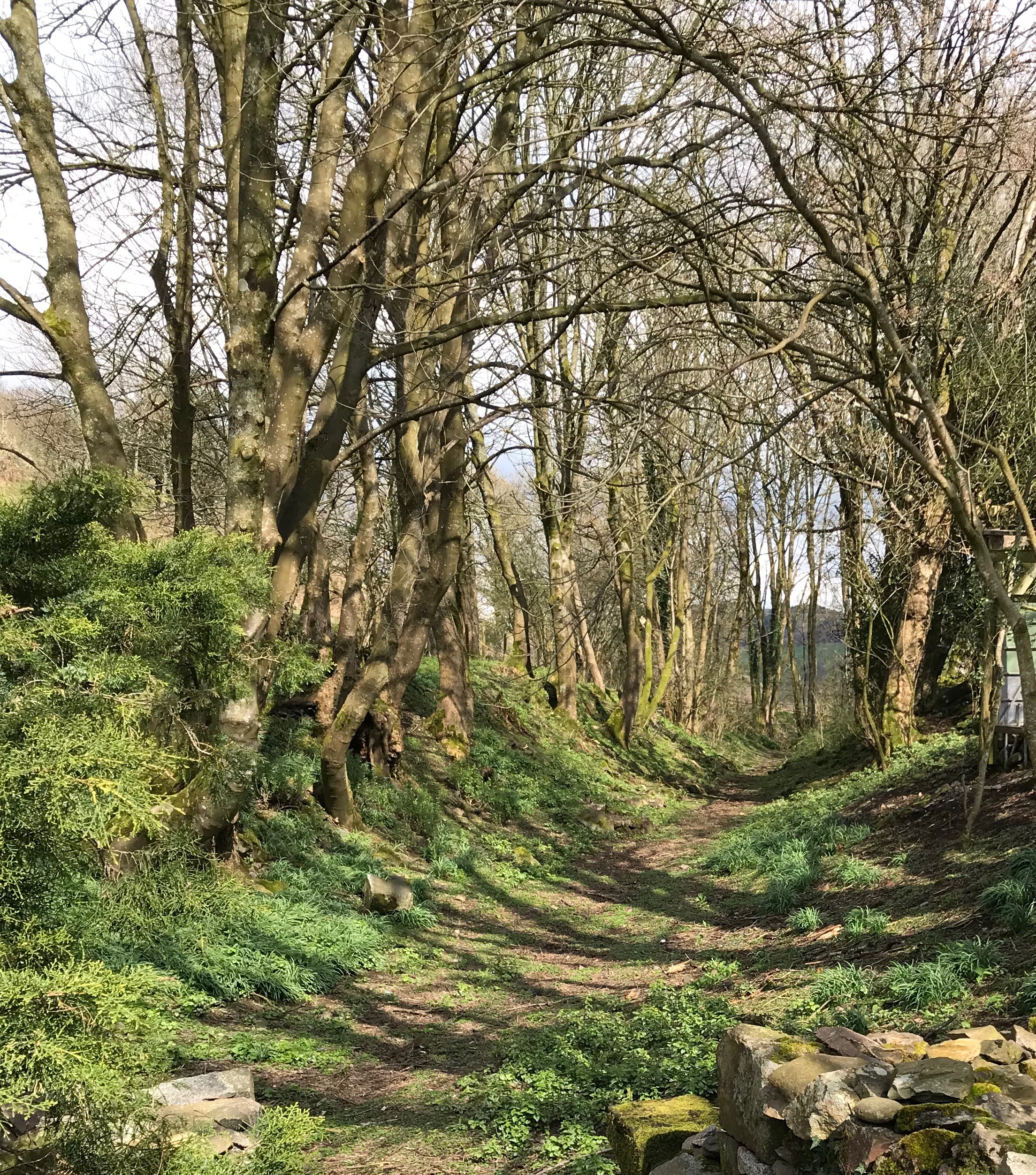
Having negotiated a challenging and muddy boarded track-way to the site they were welcomed by Dr Anne Crone, AOC Archaeology leader and Jenny Roberts, a fellow U3A group member and longstanding excavation team volunteer.

In recent seasons, it has become increasingly clear that this 2,500 year old site reveals that its inhabitants practiced wood turning, iron smelting and weaving, probably on a seasonal site basis. This season has also revealed a very substantial causeway leading to the heart of the settlement. We were shown a selection of recent finds, including worked wooden items, stone tools and a cow’s skull, from a site which has proved to be largely clean of occupation detritus.

Black Loch of Myrton

Borgue War Memorial

A small group from Stewartry U3A is carrying out research on the Borgue War Memorial to try and build a picture of the men who lost their lives during World War One and World War Two and who are commemorated on the War Memorial in front of The Borgue Hotel.

Our aim is to produce a record which can be kept by the local community as part of its history.

Although we can get quite a bit of information from existing records, we are keen to discover more information from the local community. In particular we would be delighted if you have any information about the men: where they lived, what they did during their short lives, their families, photographs, any anecdotes about them: in fact, anything you have or may know.

If you can help us, would like more information or would like to meet someone from our group please get in touch: stewartrylhr@gmail.com


If you can help us, would like more information or would like to meet someone from our group please get in touch by email: stewartrylhr@gmail.com


Stewartry U3A Local History Trip to Dalbeattie Museum and Buittle Castle


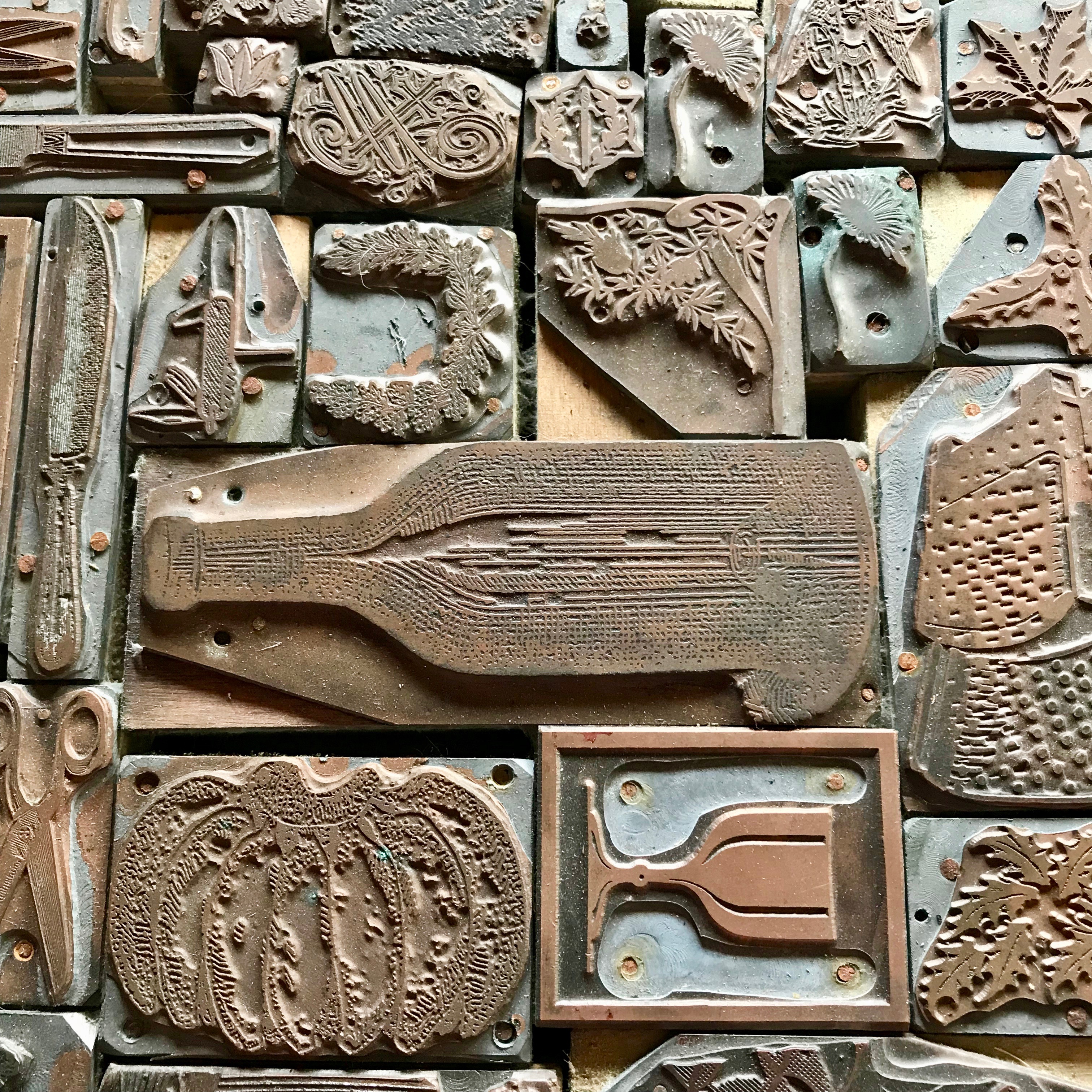
Two castles, two chapels, Queen Mary’s bed chamber, letterpress printing studio and a lovely scone and tea – and that was only the afternoon of the Local History group’s day around Dalbeattie.

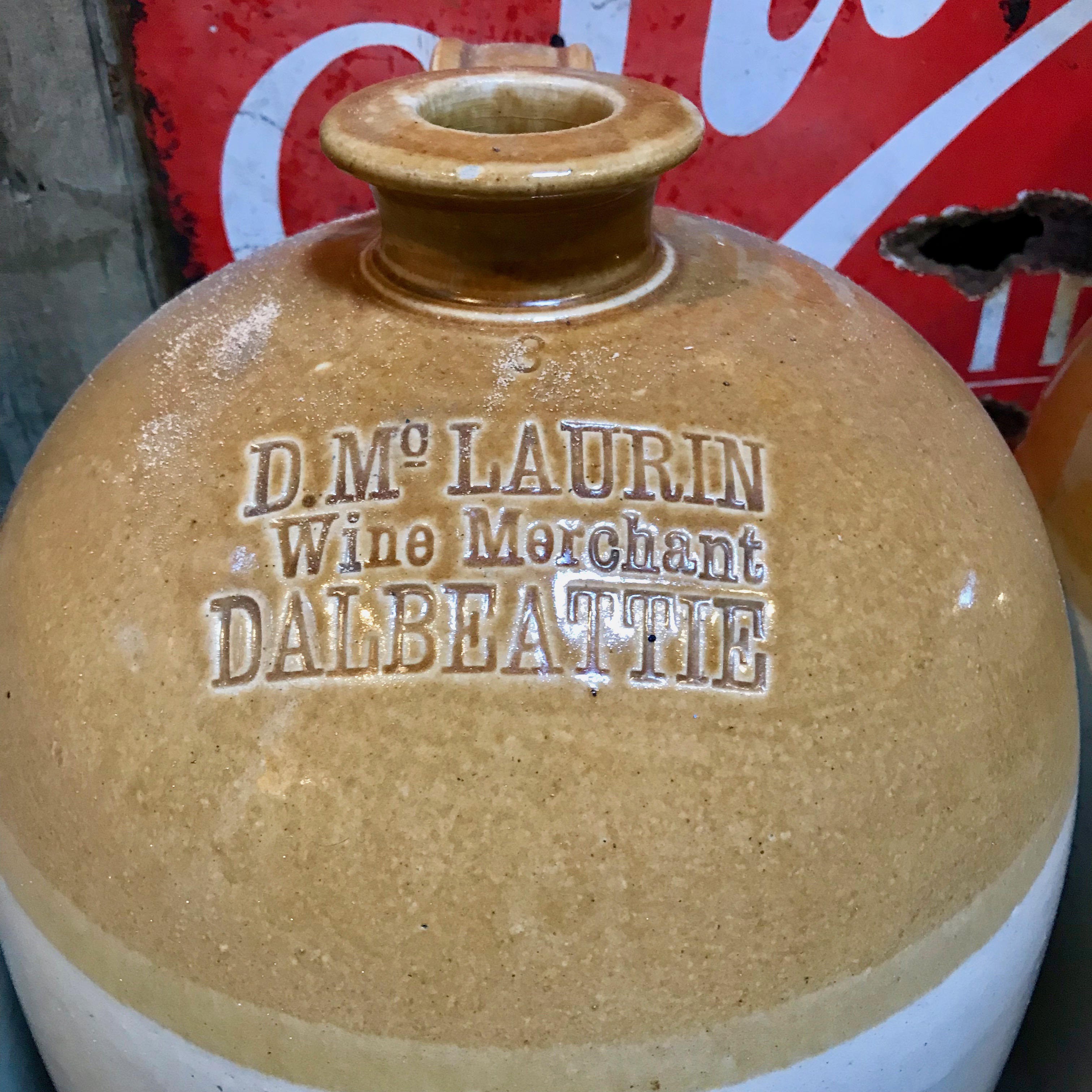
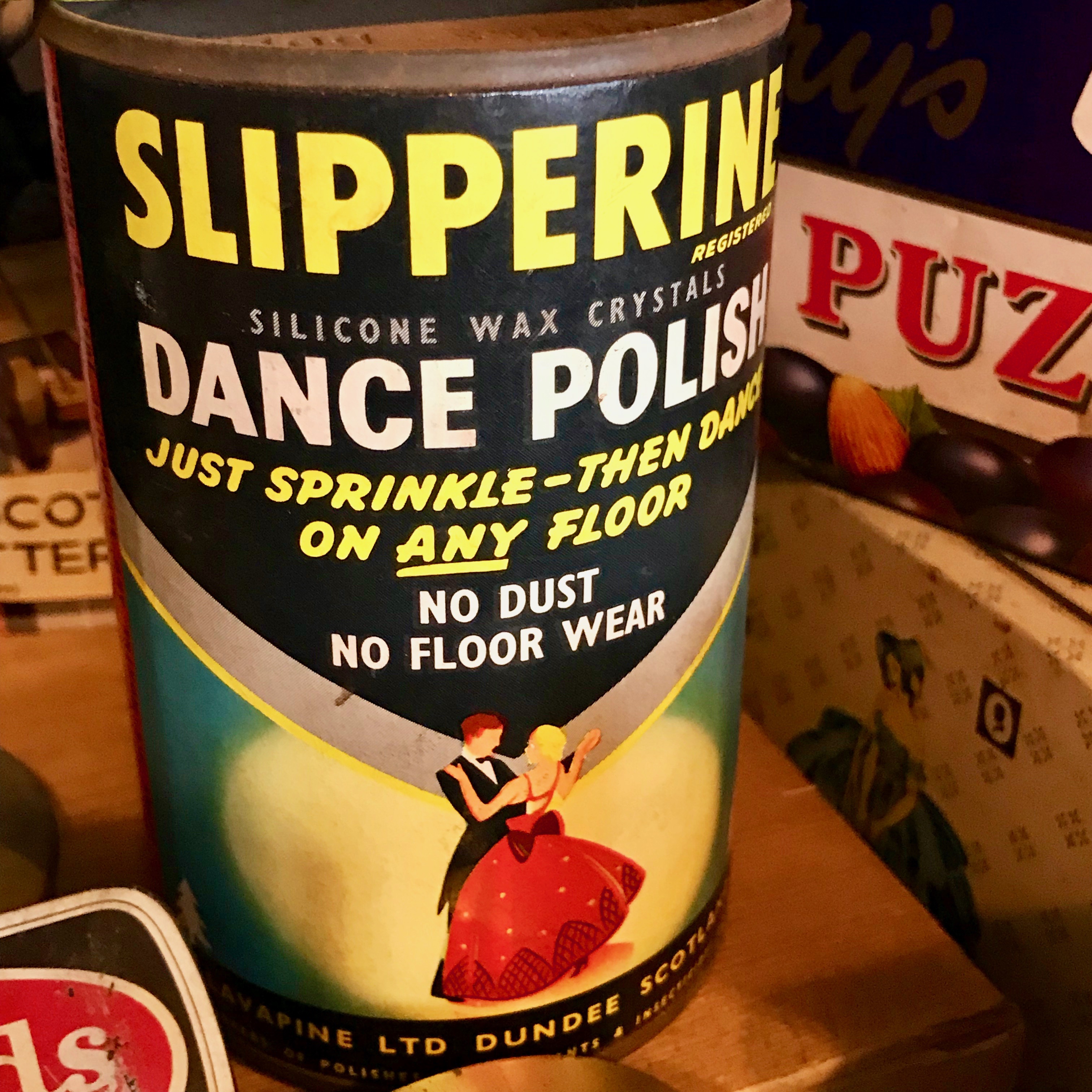
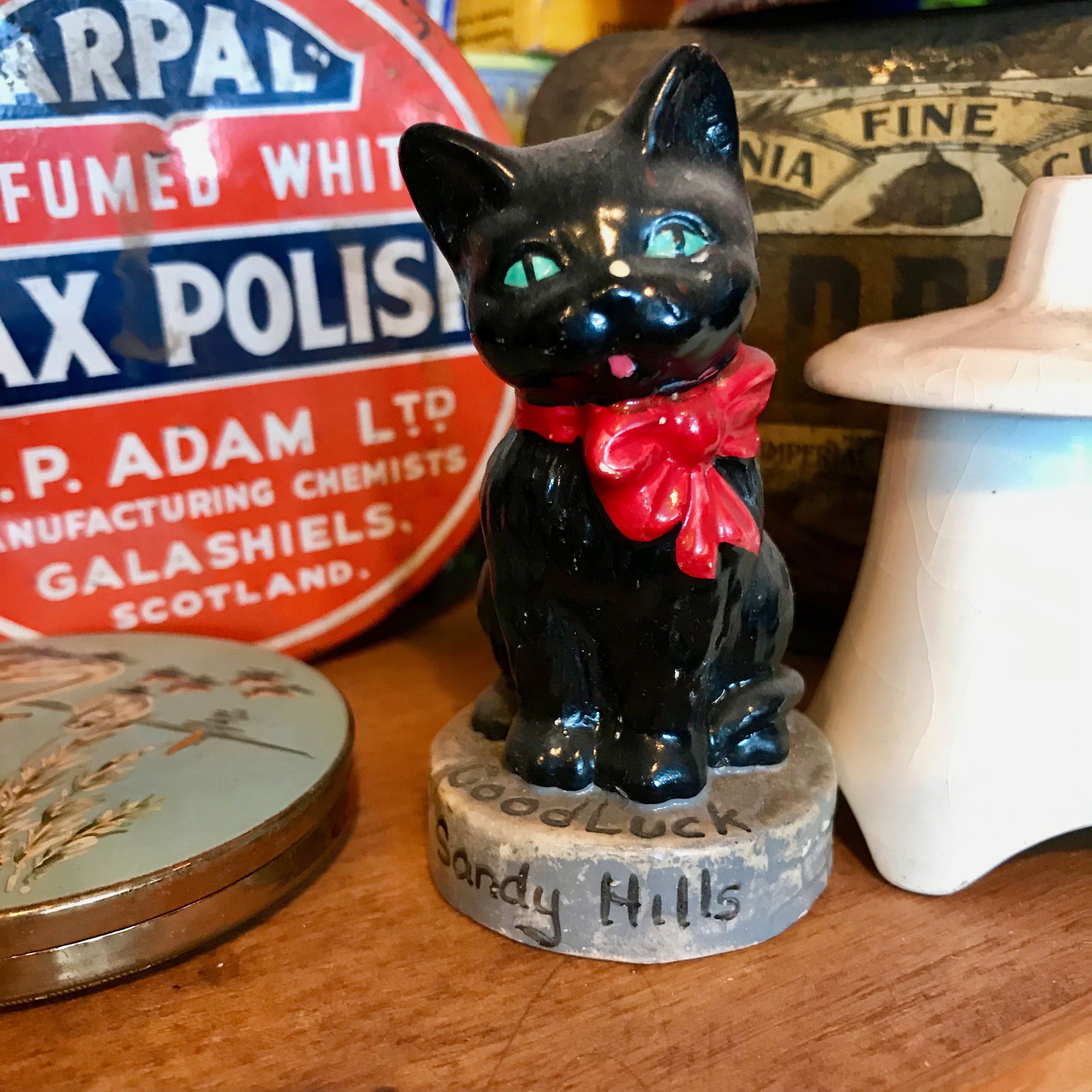
First we gathered at Dalbeattie Museum to peruse the fascinating collection of items donated by local people. The artefacts range from Dinky cars to a hundred year old washing machine (still in working order), and displays include the Edingham explosives factory, the Dalbeattie-made Skeoch motor car and the granite industry. One member remarked “The museum was crammed with things which brought back memories – sign of age-and the volunteers were so enthusiastic.”

After lunch we enjoyed a guided tour of Buittle Castle (the stone castle has the motte of the earlier motte and bailey in its grounds), and all the above mentioned features. The castle, as the seat of the Balliol dynasty, was highly significant in the medieval period and beyond. Queen Mary spent her penultimate night in Scotland here safe with the recusant Maxwell family.

James Cavendish, the 32nd laird, gave the tour of the house and site which he and his cousin are renovating concurrent with running the Buittle Craft Guild involving craft fayres, letter-press printing and bookbinding, offering bed and breakfast and are priests to a small congregation of the western rite orthodox church. The latest chapter in the history of a remarkable castle and a dynasty!

Stewartry U3A Local History Group January 2018

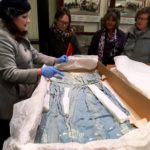
The January meeting of the Local History Group visited the Stewartry Museum for a guided tour by the curator Anne Ramsbottom. Anne showed us some of her favourite items in the collection including an intricately decorated silk batik dress made by Jessie M King that is so fragile it can’t normally be displayed. Each member of the Group then had to pick their favourite item and over tea talk about why they liked it. The result was fascinating and surprising.


November 2017: The Kirkcudbright Poor House

Following the AGM, of the Stewartry U3A on 28 November, Professor Don Cowell gave a fascinating insight into the history of the Kirkcudbright Poor House which opened in 1850 and only closed in 1953.

Prior to 1845 the Parish was responsible for providing poor relief for those who could not work mainly by voluntary funding from the Kirk and local heritors. However the Poor Laws of 1845 set up Parochial Boards to raise funds by way of taxes as a securer way of looking after the poor. In Kirkcudbright it was decided to establish a poor house for not only those from the town but also from Borgue, Twynholm and Tongland. But due to local pressure the poor house had to be built half a mile outside the town and the first governor, a former army Sargent, and matron were appointed in 1850 when the poor house opened.

In 1853 over 20 other parishes agreed to combine with the Kirkcudbright poor house, agreeing to contribute towards the costs and it became known as the Kirkcudbright Combination Poor House. The building had a side for males and another for females, meaning that even married couples were split up, and was originally designed for 250 but there was rarely more than 70 to 80 in the house. Food was based mainly on porridge and only those who were working were given any meat. There were strict rules and regulations and even a punishment room where people could be kept in solitary confinement.

The local Inspector of the Poor was an important local official and he was responsible for deciding whether someone was eligible to go into the Poor House. The Board of Supervision in Edinburgh gave guidance but became more controlling and was responsible for regular inspections of Poor Houses.

Don said that some of the Inspectors’ records survive and are a wonderful source of information about the operation of the Poor House. From these records, Poor House records and Census records he had found that in early years many children, orphans or abandoned, were in the Poor House, there were also elderly people and some women came in while having a baby. Some people were in for short periods of weeks or months but others were there for 30 to 40 years.

Don said that he had found that there had been a local scandal in 1869 when a woman in the Poor House complained to the Inspector about various matters in the house including that she had been assaulted by the Governor. The complaints were investigated and the Governor decided to resign.

In 1920 the building was renamed Burnside House and became the responsibility of the County Council in 1930. In 1946 the building was abandoned and the Poor Law was abolished in 1948.

Finally Don said that he had been pleased to get information about the Poor House from Raymond Finnie, son of the last Governor and that Raymond was in the audience at the meeting.

Visit to Hadrian’s Wall – Monday 16th May 2016

You are invited to join us on a trip to Hadrian’s Wall which includes two stunning and very different historical sites, Vindolanda Roman Fort and the Augustinian Priory and Dacre Hall at Lanercost.

The Vindolanda collection contains some of the best Roman artefacts in Britain, such as the wooden writing tablets (voted number 1 in a BBC poll of our best treasures) which give fascinating insights into life on the wall; and a huge collection of unpaired leather shoes!

The artefacts are just one aspect of these extensive remains set in a lovely position on the hillside above the South Tyne valley, with well laid paths and, of course, a tearoom and shop. A talk by a resident archaeologist is included. This site offers so much to the visitor that we shall stay 2.5 hours here including time for lunch.

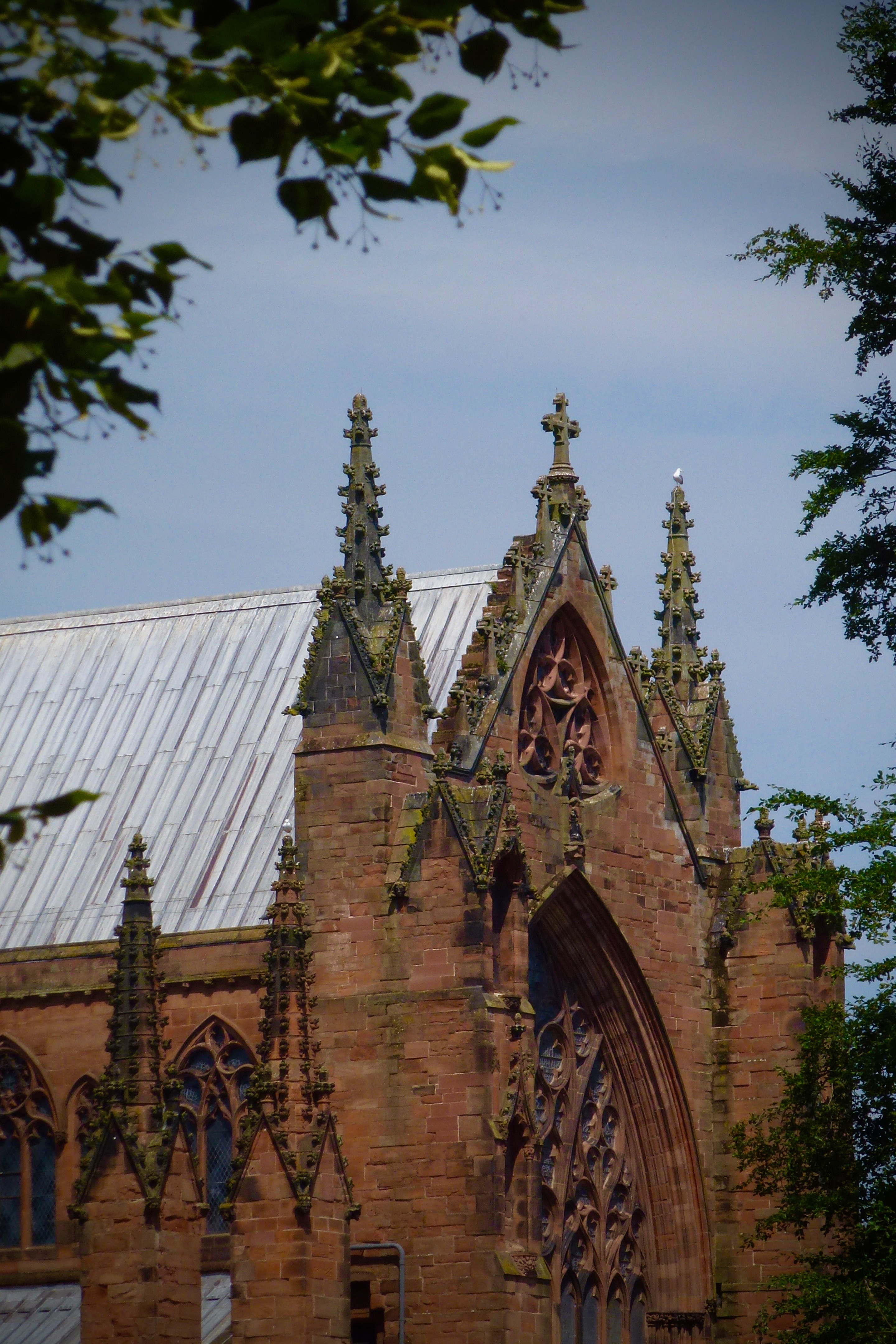
After lunch we travel to Lanercost Priory. Set today in a tranquil setting Lanercost Priory had an often troubled history. It suffered frequent attacks during the long Anglo-Scottish wars. Yet there is still much to see in this best-preserved Cumbrian monastery. The east end of the noble 13th-century church survives to its full height, housing within its dramatic triple tier of arches some fine monuments. After a self-guided tour (guide book £2.15) we join historian John Lee at Dacre Hall. This is a medieval hall (C12th origins) with some fascinating C16th wall paintings, in this lovely hall we shall enjoy afternoon tea with homemade biscuits before leaving for home.

The coach will depart Kirkcudbright at 8.15am, Castle Douglas at 8.40am, returning by 5.05pm and 5.30pm respectively. The cost including guided tours is £22.50 per person including tea.

If you are interested in this trip, please supply your name(s), email address, mobile phone number and whether you would like to be picked up in Kirkcudbright or Castle Douglas using our contact form