




Two castles, two chapels, Queen Mary’s bed chamber, letterpress printing studio and a lovely scone and tea – and that was only the afternoon of the Local History group’s day around Dalbeattie.
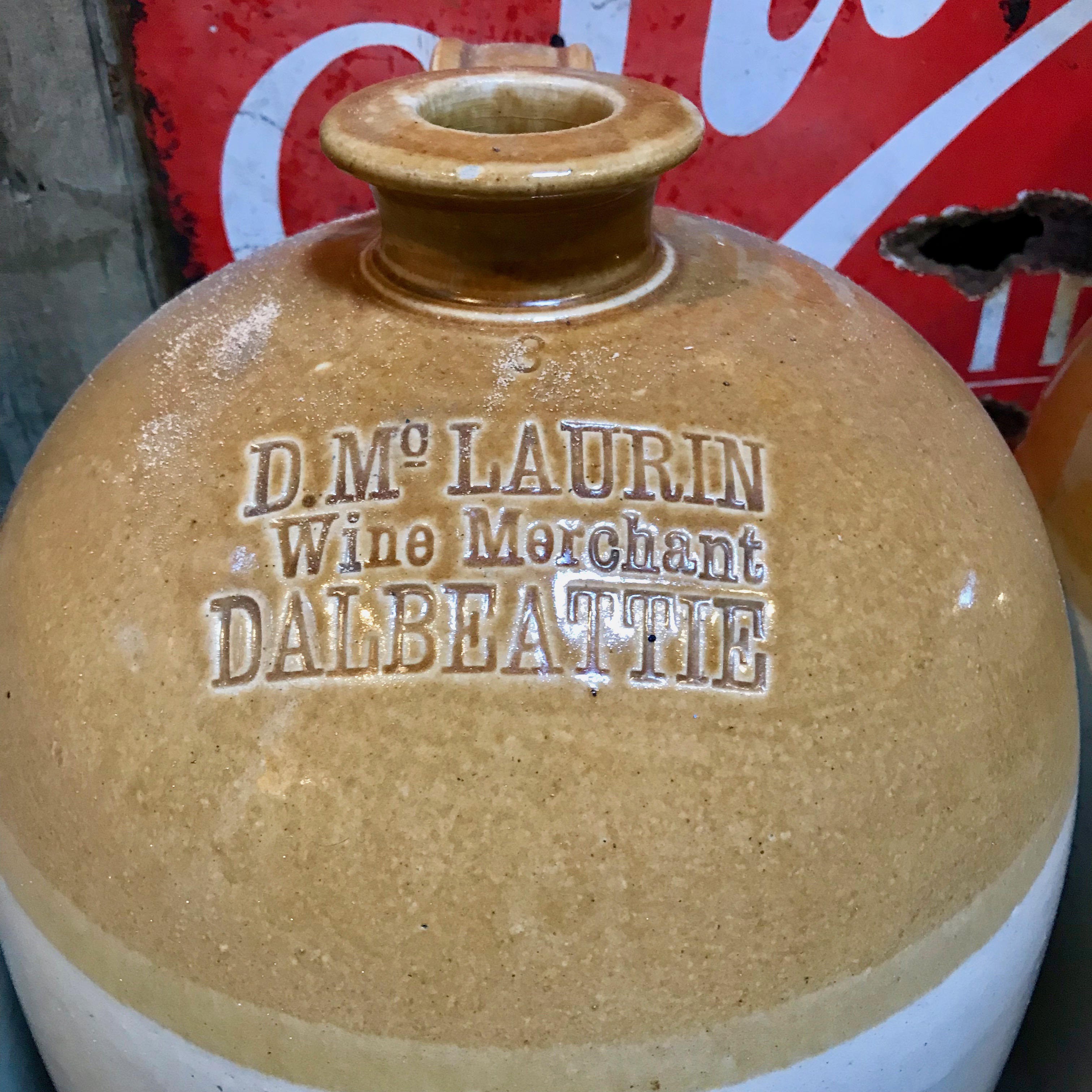
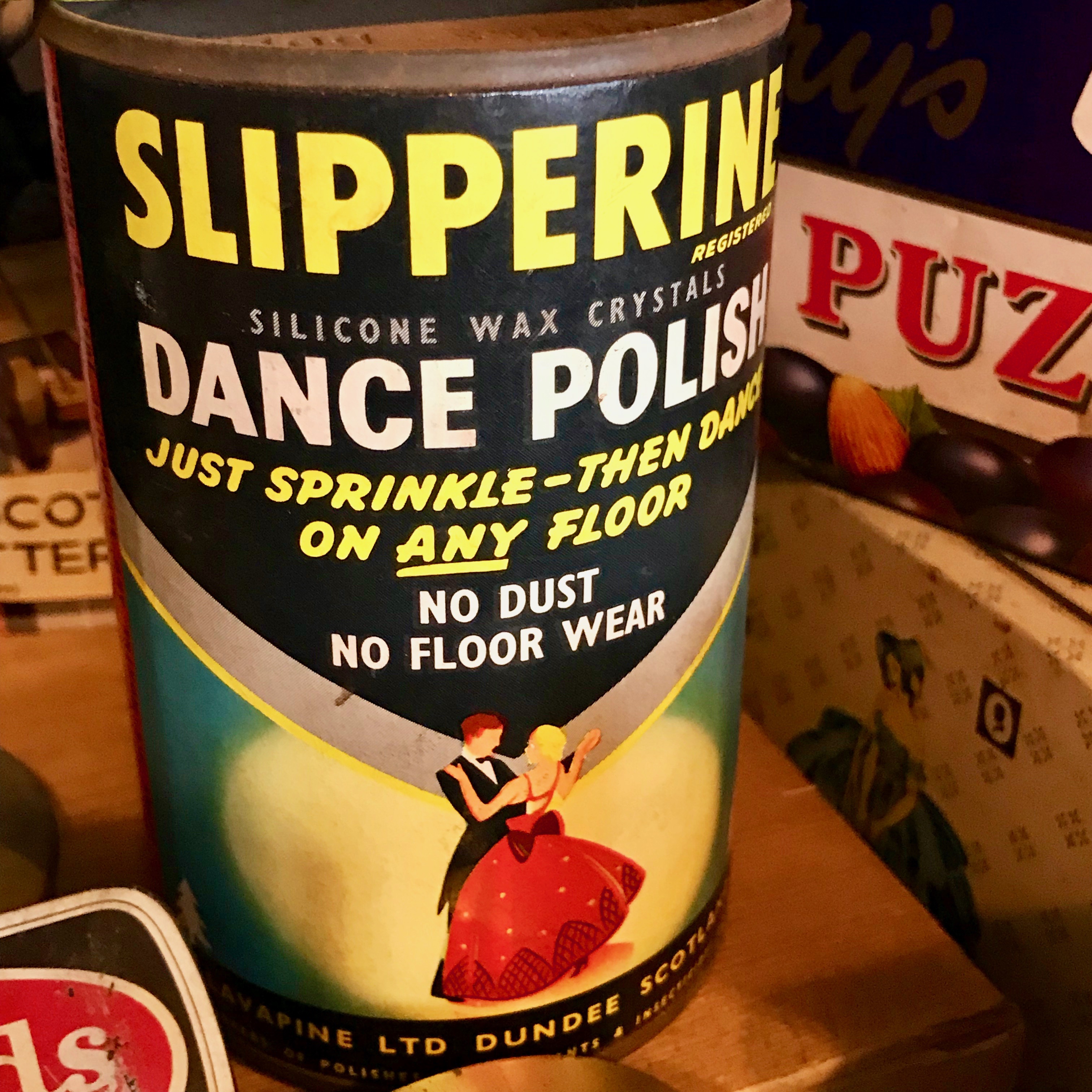
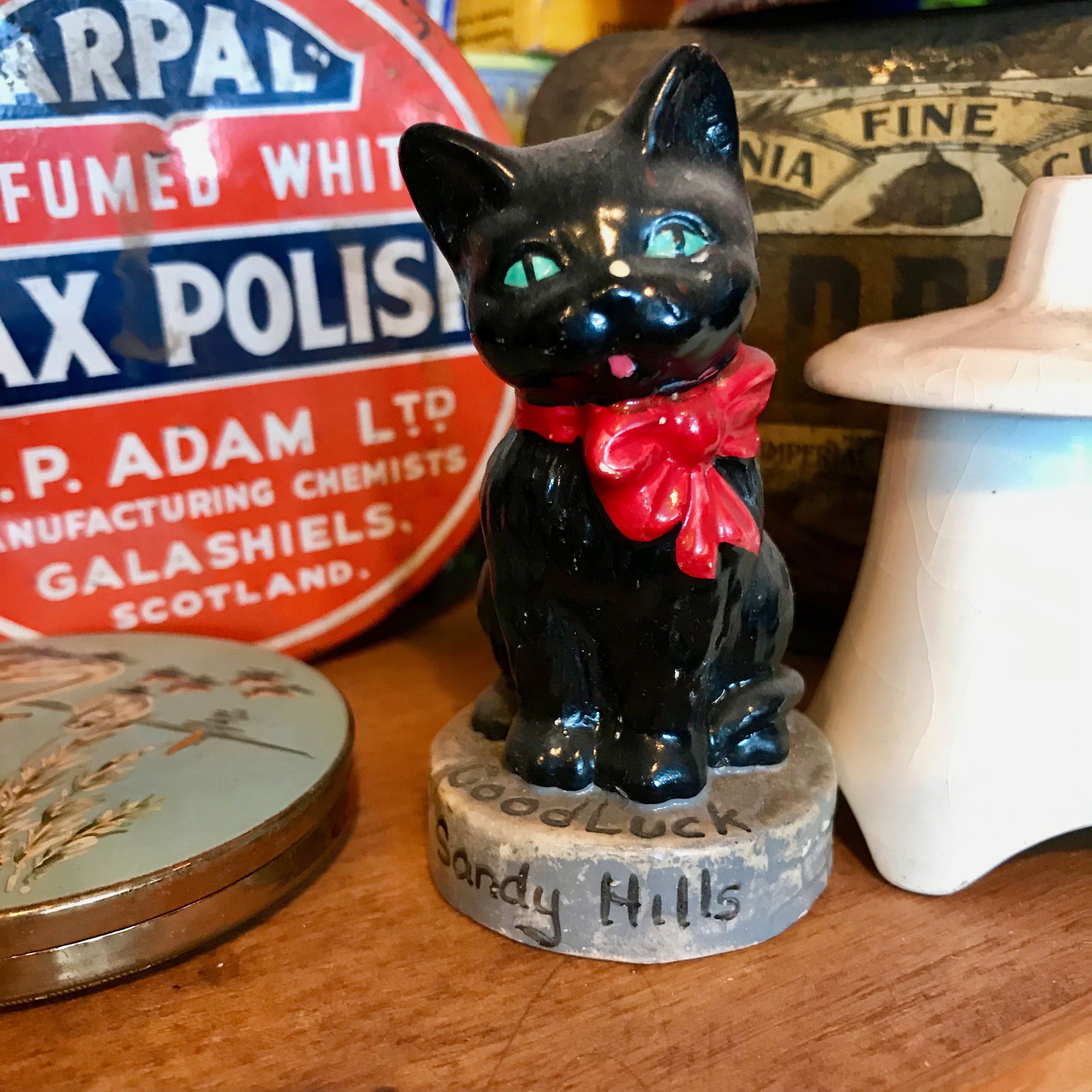
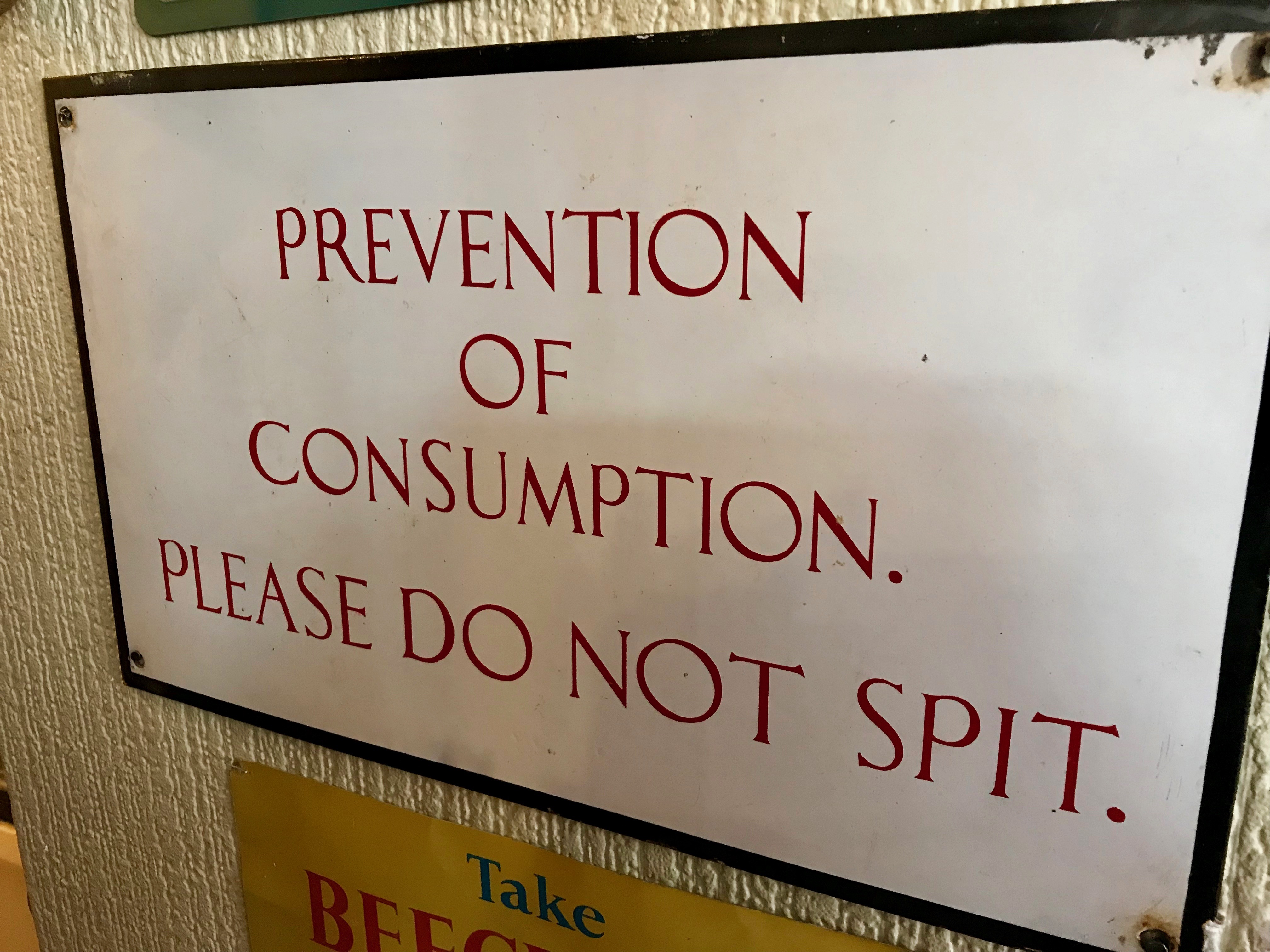
First we gathered at Dalbeattie Museum to peruse the fascinating collection of items donated by local people. The artefacts range from Dinky cars to a hundred year old washing machine (still in working order), and displays include the Edingham explosives factory, the Dalbeattie-made Skeoch motor car and the granite industry. One member remarked “The museum was crammed with things which brought back memories – sign of age-and the volunteers were so enthusiastic.”
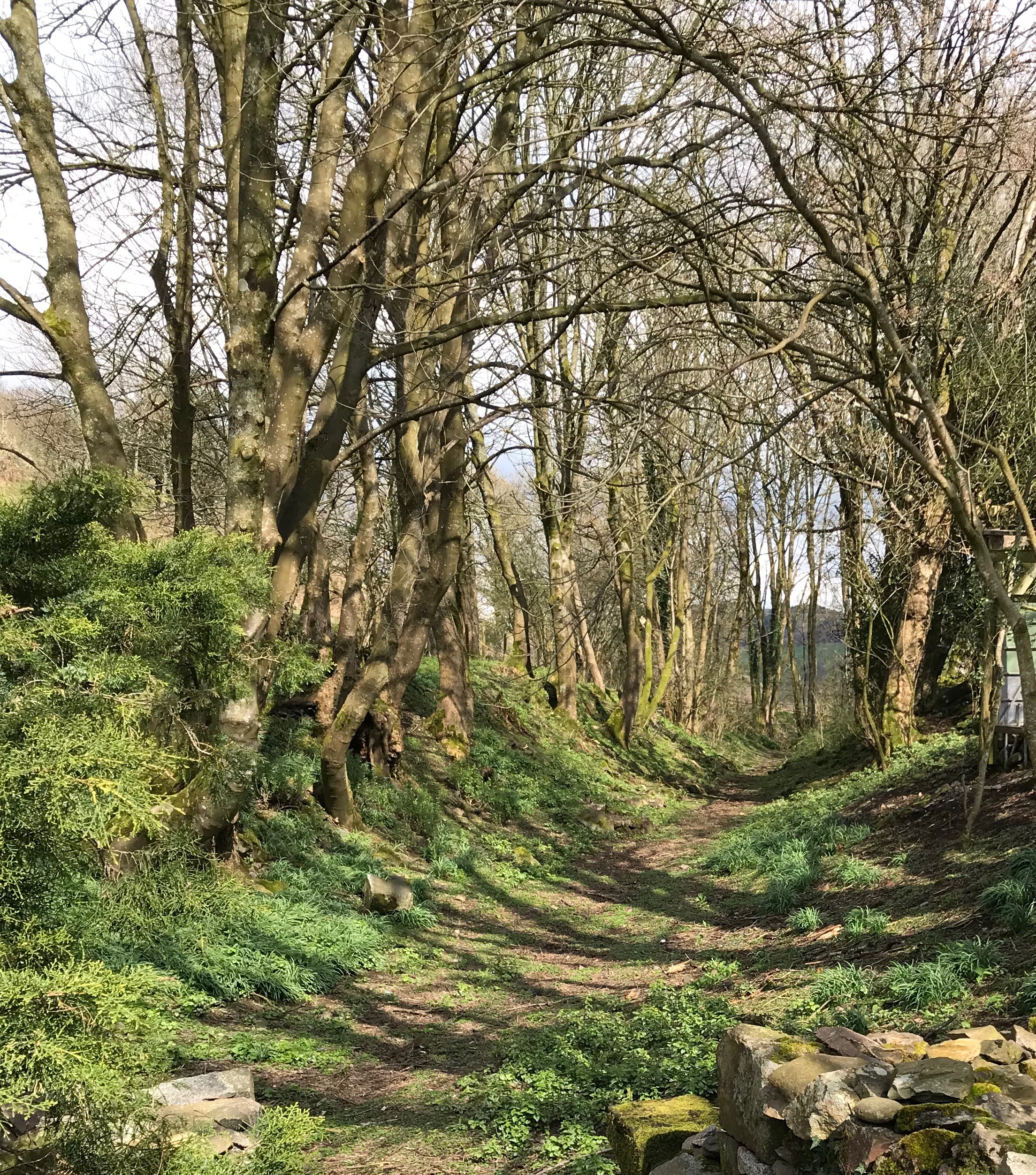
After lunch we enjoyed a guided tour of Buittle Castle (the stone castle has the motte of the earlier motte and bailey in its grounds), and all the above mentioned features. The castle, as the seat of the Balliol dynasty, was highly significant in the medieval period and beyond. Queen Mary spent her penultimate night in Scotland here safe with the recusant Maxwell family.
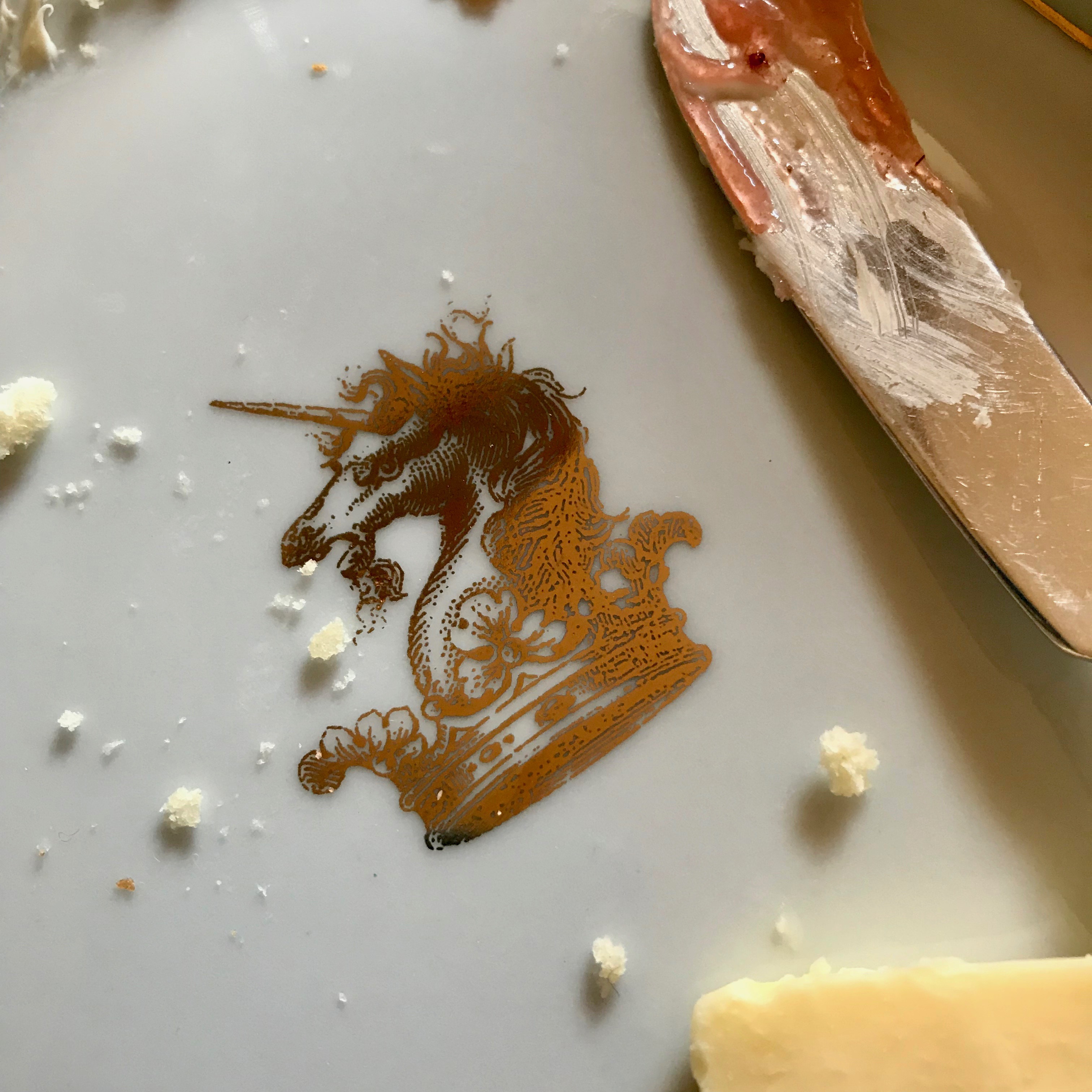
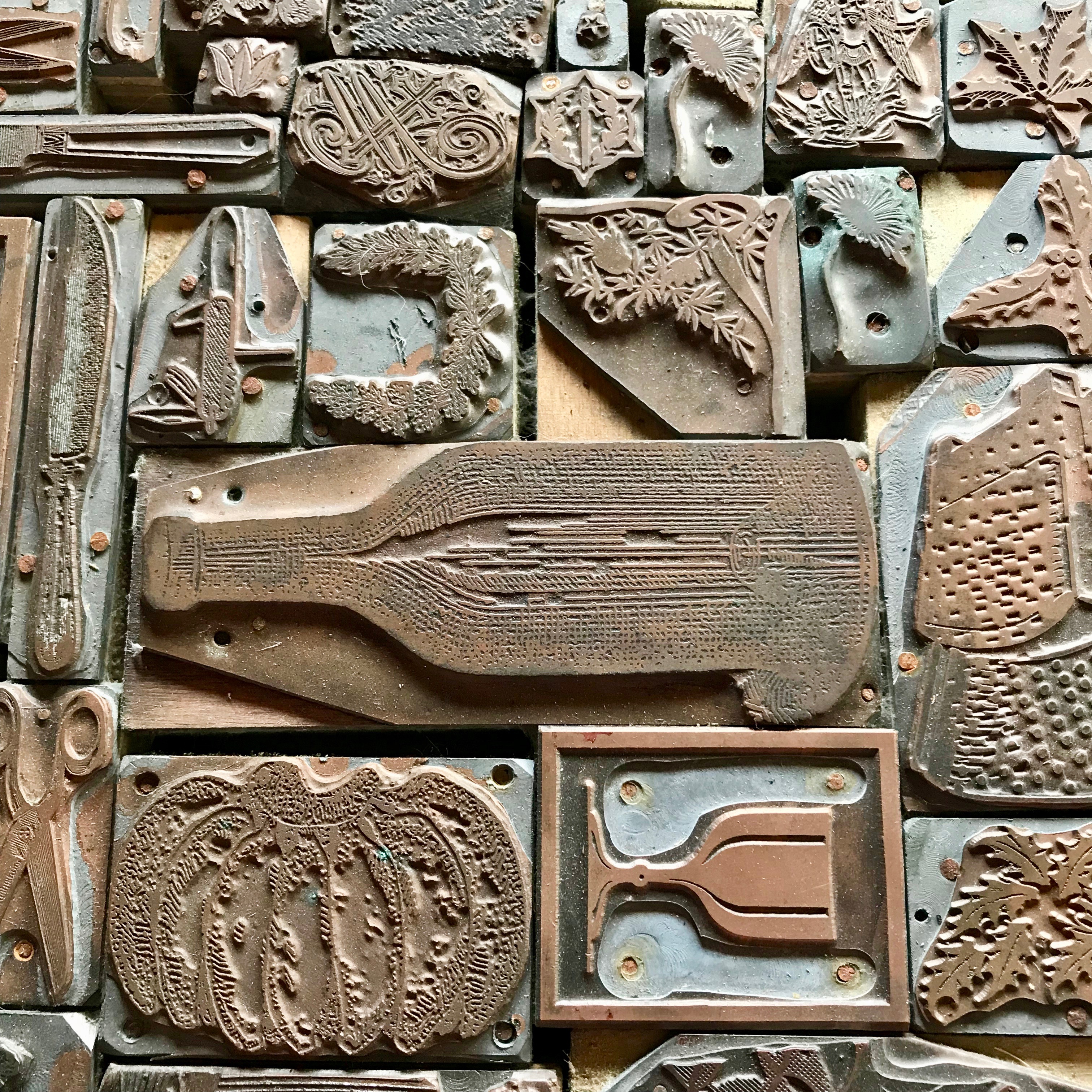
James Cavendish, the 32nd laird, gave the tour of the house and site which he and his cousin are renovating concurrent with running the Buittle Craft Guild involving craft fayres, letter-press printing and bookbinding, offering bed and breakfast and are priests to a small congregation of the western rite orthodox church. The latest chapter in the history of a remarkable castle and a dynasty!
 So many people said that they had never explored historic Carlisle that we arranged a visit on a blustery day in April.
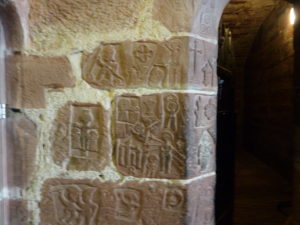 highlight is the keep, which hasn’t changed much since it was constructed in the 12th Century. We were lucky to be able to see the “Prisoners’ Carvings” close up and explore the cells (all of which are normally not accessible). John explained that these carvings were more probably the work of a jailer, as they show some knowledge of local nobility and heraldry.
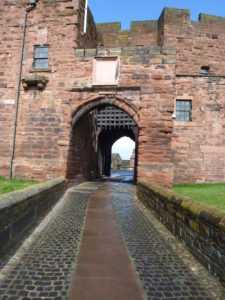 After the Castle tour, the group split up and some visited Tullie House Museum, the Cathedral and other local sites. Tullie House Museum currently has a marvellous exhibition of Cumbrian artists and new permanent galleries of the Borders Reivers and Vikings. Old Tullie House has permanent galleries of its nationally important collection of pre-Raphaelite art. We can also recommend the excellent café which we certainly needed after absorbing so much local history.
